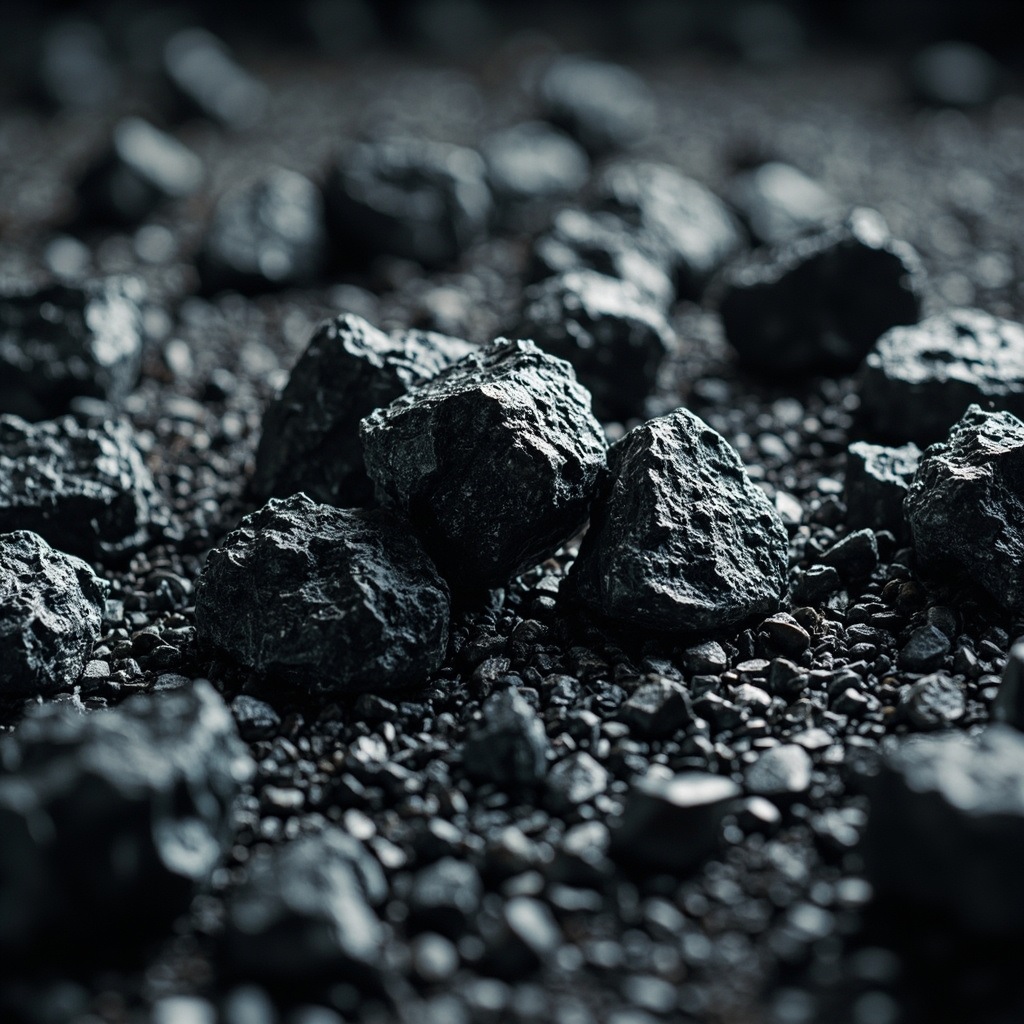
 You have a mountain of Expandable Graphite bricks. They were once the heart of a nuclear reactor, slowing neutrons and channeling heat. Now, they are radioactive. Not the kind that glows green in cartoons, but the kind that makes regulators nervous and disposal costs skyrocket. The industry standard? Mix it with cement, pour it into a drum, and hope for the best. Hope is not a strategy. It is a liability.
Enter exfoliated graphite. This is not your grandfather’s carbon block. This is a material that has been chemically pried open, its layers forced apart into a high-surface-area sponge. And that sponge is a game-changer for immobilizing low-level radioactive waste. Why? Because it traps. It adsorbs. It locks down radionuclides like cesium and strontium with a ferocity that cement can only dream of.
The old method is a compromise. Cement is cheap, but it cracks. It leaches. It creates a monolithic block that, over decades, can become a pathway for contamination rather than a barrier. Exfoliated graphite flips the script. It does not just encapsulate the waste; it chemically binds it. The radionuclides get physically wedged into the graphite’s expanded lattice, and they stay there. No migration. No weeping. No nasty surprises for the next generation.
Think of it as a molecular jail. The exfoliation process creates millions of tiny, jagged cells. When you mix the contaminated graphite with a binder and compress it, you are not just making a puck. You are creating a dense, carbon-based matrix where every radioactive particle is surrounded by an aggressive adsorber. The leach rates drop to near-zero. The final waste form is chemically inert, thermally stable, and significantly smaller in volume than a cement drum.
For the decommissioning manager staring down a budget and a deadline, this means two things: less volume to store and less risk to defend. You can fit more waste into fewer containers. You can point to data showing that your immobilized waste will not become tomorrow’s cleanup problem. That is a powerful argument in a public hearing.
The technology is not theoretical. It is being deployed. Exfoliated graphite is already used in gaskets, in fire retardants, and in environmental remediation. Adapting it for nuclear waste is a logical, aggressive step forward. It turns a problem material into a solution material. The very graphite that became radioactive is now the best tool to lock that radioactivity away.
Stop pouring concrete on a problem. Start trapping it at the molecular level. Exfoliated graphite does not just manage low-level waste. It neutralizes the threat. That is the difference between a temporary fix and a permanent solution.